"Sorry, we can't shoot in Africa!" This is the most common response from agencies outside of Africa. And we don't blame them.

Brands need footage in Africa, be it for investor relations, public relations, CSI, social media content or good old-fashioned commercials. But can't find what they need. Why?
Well, as I’ll explain in some of my crazy adventures to follow, filming in many parts of Africa is almost impossible. Yes, there are parts of Africa that are first-world, innovative and more tech-savvy and sophisticated than some parts of Europe. But many parts of Africa remain third world, impoverished, war-torn and politically volatile.
It’s a mistake to venture into these places with crew and equipment if you don’t know what you’re up against. The stories I can tell you of brands who have tried to film in Africa and failed spectacularly... from attempting to document the building of universities and pharmaceutical distribution to merely trying to film the strides being taken in a retail footprint.
You see, even though massive investments have already been made by some of the globe’s biggest brands in even the remotest parts of Africa, shooting footage in Africa continues to be a challenge - to put it mildly.
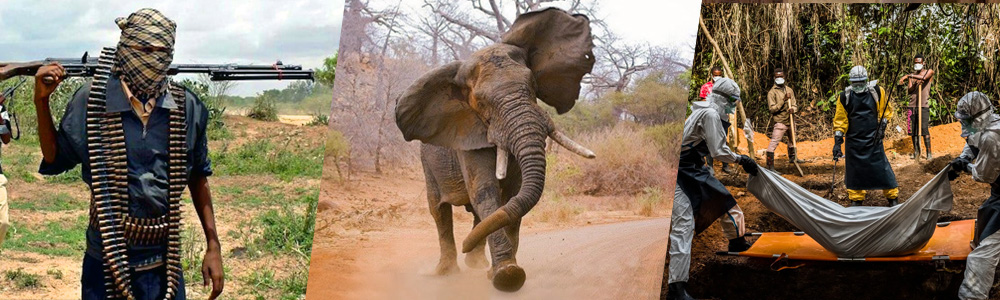
At times, it is challenging even for me, and I have many years of experience (I’m an old dog with many tricks) and have filmed and directed in the most dangerous places in Africa during such events as the Ebola outbreak and the Boko Haram war in Nigeria.
After working in one of Southern Africa’s largest agencies and garnering 25 years of experience in advertising I set out to produce, film and direct in some of the remotest and most volatile places in Africa and have done so for decades. Despite this extensive experience I still find myself humbled by Africa - often. These are some of my wild adventures. I hope they will provide a cautionary tale for anyone planning to film in Africa without having first done their homework.
I’ll be following this article up with five short emails about filming roadblocks you may encounter and how I managed to deal with them over the years. Feel free to contact me for specific queries too.
Speedbumps and roadblocks for Africa

As I said, many parts of Africa, particularly in the South boast all the infrastructure, amenities, sophistication, and resources that you could find anywhere else in the world. Filming whatever you need is a breeze in these places if you know your way around licensing, compliance, and that kind of admin.
However, I learned the hard way that this is not always the case across the rest of Africa. Setbacks I have had to face in more remote places usually begin on arrival. Camera equipment being confiscated at the airport without much explanation. Documentation being “wrong” or “incomplete” and “licenses” being required that were news to me. This can cause delays of three to four hours if you’re lucky, this could go on indefinitely until I accepted that I was being fleeced for a bribe that could make all the “trouble” go away.
We were once detained for 36 hours during one jaunt and had to stand in several endless queues that led to an official who would promptly send us off to another never-ending queue. It was like what I imagine purgatory must feel like.
Bureaucracy reigns supreme in parts of Africa and the language barrier can cause a maelstrom of delays and misunderstandings before you’ve even left the airport.
Then, once you’ve loaded everything into your vehicle (if you manage to get a vehicle and nothing got “lost” in the flight) you’ll have a roadblock just around the corner to look forward to. I discovered that these militia-run roadblocks can be a terrible snare if they discover that you have camera equipment. They will assume you are press and will want an impromptu interview for “TV”. We’ve been interrogated with, “Why do you have cameras? Are you a spy?” It’s always unnerving because I know that if you are identified as a threat, in certain parts of Africa, there are people who won’t think twice before firing a weapon at you.
Chaos, dodge cars, angry elephants and diabolical delays
Maybe you get lucky... Perhaps you don’t get held up at the airport and all your important equipment is accounted for and hasn’t gone missing. You still need to be able to get hold of your client representatives in the country. Easier said than done when there is no mobile signal, and all the landlines are currently “out of order”.
You are hit with 36 degrees of heat and humidity and throngs of people who want something or anything from you. Transport? Renting a car? Uh oh. There may be no roads where you’re headed, or it’s been washed away during a storm. There’s no way to find out beforehand either.
There goes your schedule, timelines, deadlines. You’re surrounded by millions of dollars of equipment and you’re a sitting duck. No eyes in the back of your head? Too bad.
Then there’s the traffic - it’s a mess. People use their cars as weapons. Whatever you do, don’t hoot.
These are all things my crew and I have had to contend with - often.
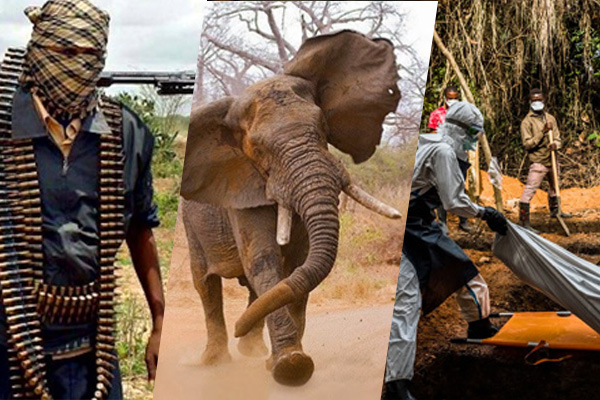
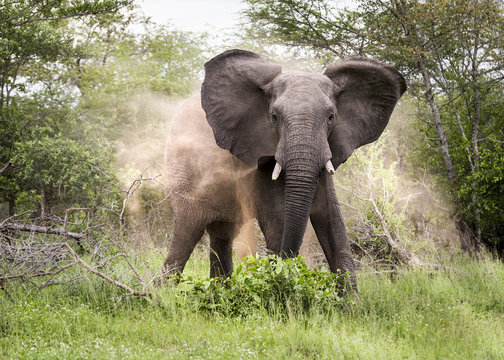
Not exciting enough? Well, a few years ago, after shooting some footage up in Africa an elephant in musk charged our vehicle. It stood higher than a tipper truck, with each tusk the size of a surfboard and we couldn’t reverse so we had to just sit there.
At one point this magnificent jumbo came towards us kicking up dust in an aggressive fashion, grabbed the nudge bar and lifted the front of the vehicle over 6-foot in the air as though it weighed nothing. It then put us down nonchalantly and strolled off. We were lucky. Predators, poisonous snakes, scorpions, and malaria mosquitos are all par for the course. Just another day in Africa for me and my crew.
Unethical opportunists, Ebola, and unnecessary expenses
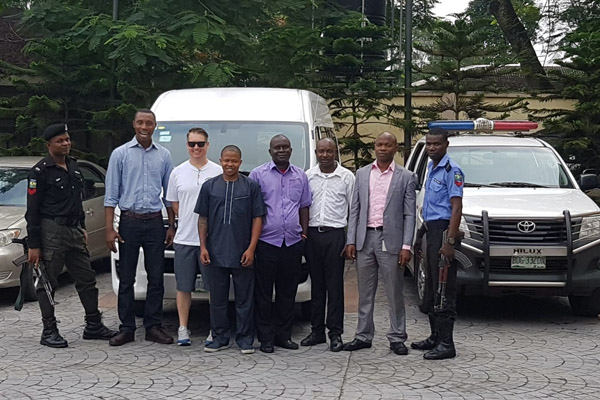
Luckily, the hotels are usually fantastic. However, the moment you step out the door you are a potential source of income for everyone you encounter. Every imaginative swindle or expense will be extorted from you. If you go into truly remote areas in Africa, the hotel you booked and paid for may not even exist!
I remember renting a vehicle and driver once for a shoot in Northern Africa and having to get out and help our 80-year-old driver to patch the wheel of the car, which didn’t have a spare. The area had recently experienced civil unrest so when the tyre burst everyone in earshot hit the deck or jumped for cover.
In these situations, you must be resourceful, you must remain calm and, when necessary, having cash to dish out can also help. The problem is, however much money you may have on you, it will never be enough if you don’t know how to haggle.
During the Ebola outbreak, a global health organization you have definitely heard of sent a film crew to cover the epidemic. They were too scared to leave the hotel for fear of infection, so we ended up filming it for them and off they flew with the footage. I don’t blame them.
Can’t share your African odyssey at all
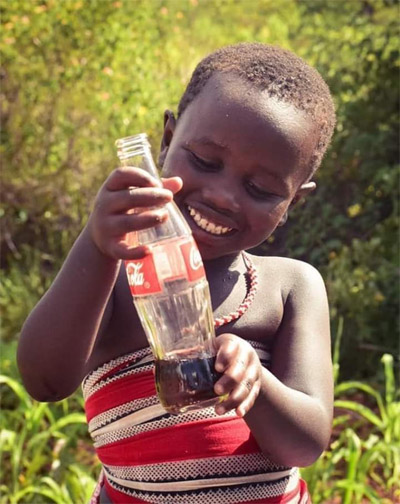
Travelling in Africa you’ll see most of the major brands on display there. Billboards and stocked tuck shops with products you know and love, and many of these brands have offices there too, but it’s all undocumented. Having a presence in Africa doesn’t mean it is well documented, for many of the reasons I’ve already mentioned.
The footage that is accessible often leaves a lot to be desired and doesn’t do the market any favours. Imagine shaky videos of campaigns, launches and events being WhatsApped to head office in the US, and any video crew that is locally sourced will charge 300% more than the most professional and high-tech crew that I could put together.
Even the good crews sourced locally, and there are a few, are still using old hand-me-down equipment. There’s limited tech. HD? Nope. Low lighting? Too bad.
Inferior quality is bad for your brand. You can’t put grainy footage of two hundred people at a launch trying a new flavour of cola out there for the world to see. It propagates every stereotype of the continent you can think of.
Don’t DIY - It will be quicker, easier and cost less if you don’t
Africa is a violent place. It just is. On one trip, after a 3-hour journey by road to film a piece for a global brand, only one of our bags arrived. No clothes, only what we had in hand luggage. I had to stop and buy underwear along the way. There was only one type of underwear available, and it was not my size (most clothes sold in rural Africa are from China and I’m over 6 foot). To avoid chaffing in the humid jungle you must have good underwear.
We eventually arrived at our accommodation and were pleasantly surprised to find it was quite a nice motel. After a good night’s sleep, we were even served cappuccinos at breakfast, an unexpected luxury in that part of the world.
After our meal and the much-needed caffeine, we exited the front door of the motel out onto the parking lot, and I immediately heard a bullet ricochet off the wall behind me. We were being fired at. I’d know that whizzing sound anywhere.
We ran back inside and stood in reception wide-eyed looking at each other. We had no idea why we were being shot at.
We waited for a while and then eventually ran out the back, ducking and diving and sped away to the factory we were there to film. This hair-raising incident was only five years ago. Sadly, many places in Africa remain lawless and dangerous.
We’ve survived all of this, so you don’t have to. Let us deal with your filming requirements conveniently and cost-effectively.