Blowers have high speeds and low tolerances. Running at a speed which is too high or using undersized blowers can cause them to… well, bust. If you don't have an effective and immediate stand-by in place, then you can't move product and your production plummets. It’s as simple as that. To mitigate against the risk of production failure that will lead to financial loss, you need a variable, customised solution. And you need this NOW!
A maintained blower results in less downtime. Optimised blowers increase production.
Unfortunately, many organisations often do not even have a back-up blower and those that do almost never maintain their back-up blowers even if they are fastidious about the main operating equipment. A back-up blower that does not work when it is required is worse than not having one at all. This puts unnecessary pressure on the production line and affects the bottom line. And what you really don’t want to be doing when the pressure is on, is running around trying to plug holes.
From the time we entered the vacuum and air technology business back in 1985, we have had many calls at 3am in the morning and over weekends with plants shutting down and requests for urgent replacements. In our 35 years of experience supplying plants across Africa, we have learnt that the main causes for the breakdowns are poor maintenance, lack of back-ups, incorrect sized piping installations, and undersized blowers running above limits. Any one of these factors, or sometimes a combination thereof, wreaks havoc with production and down time.
That dreaded phone call: your plant has gone down

Is there anything worse than hearing that news? The increase in the pressure on everyone involved is immediate. Your staff running the plant as well as the service providers you rely on to get the plant up and running will feel that gut punch. And it is not a pleasant feeling, specially at 3am!
The cost of unexpected downtime can be catastrophic and let's be honest, in this VUCA world who can afford to have that kind of loss, especially when it could have been avoided. Not only is there production loss but also the additional cost implications of the time, equipment, expertise and processes required to get the plant running again.
And of course, these things always seem to happen after hours, increasing the costs even more.
Chasing multiple service providers with individual areas of expertise simply extends the time and cost of down time. Wouldn’t it be ideal to have the solution available at the end of one call – whether it is the repair or the replacement of the blower? Everyone would certainly sleep better knowing that the solution is just one call away, should anything happen.
Planned downtime is cheaper than unexpected downtime
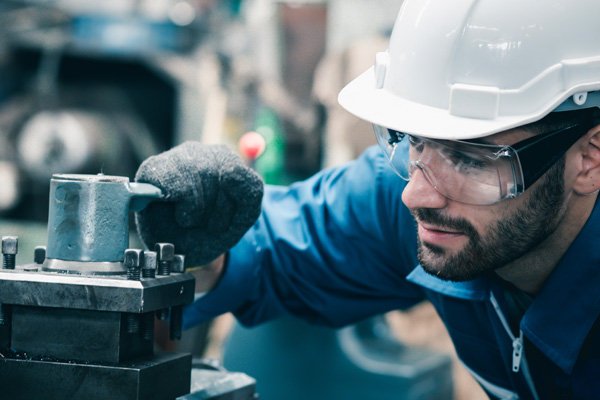
The most common reason for a disruption in the working of a blower is a simple lack of maintenance. The first step to preventing this is to develop and implement a well-structured maintenance schedule. Scheduling downtime for maintenance is cheaper and more reliable than the potentially disastrous unexpected plant shutdowns that result from blower malfunction.
Unexpected equipment-based losses are always going to be worse than those experienced during downtime scheduled for maintenance.
Proactive maintenance and repairs are always preferable, and more cost effective, than reactive actions. It also means that any parts required can be ordered through the usual channels rather than using emergency immediate delivery with all of the associated additional costs.
The purchase price + the actual life costs = the actual cost

The actual life costs of a blower include both ‘outlay’ costs and the positive ‘inputs’ costs of the additional benefits possible. The purchase price, freight, installation and training are just the initial outlay costs. Water, electricity and regular maintenance are some of the running (life) costs. What if you recovered some of these costs?
What if you could recycle the heat produced by the running of the equipment to heat the plant? That got your attention! Offer this and now suddenly your financial manager is keen to be your ally in your purchase and maintenance decisions because your whole life costing is looking better with recoveries of spend. Obviously, the lower these are, the better. However, higher outlay costs if balanced with higher input costs and lower lifespan costs might actually result in a lower actual cost.When looking at the cost of a blower it is important to look beyond just the purchase price.
The whole life span of any piece of equipment must be considered as a valuable exercise to stay friends with the profit margins.
A growing business will have growing needs
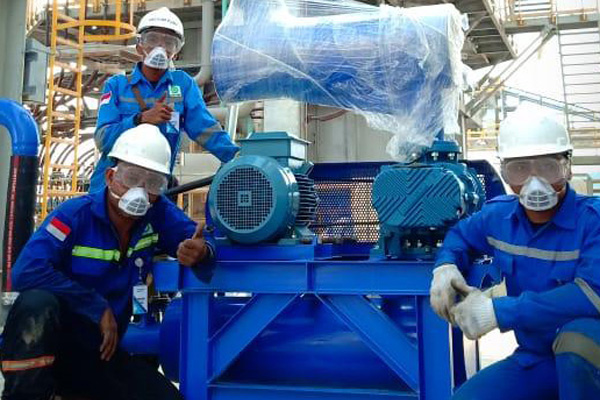
One of the harder challenges to face when dealing with blowers and other related equipment is the need for flexibility and adaptability. Large equipment seldom has much flexibility incorporated into the design. However, an interesting challenge many plants face is a change in requirements after the purchase of a blower.
It's not just about a blower, it's more about a ready solution. For instance, required pressure levels may increase, making the lobe blower that was perfect at the time of purchase insufficient. Imagine if rather than replacing the lobe blower with a screw blower it was possible to simply replace the air end, thus meeting increased needs without having to purchase an entirely new blower or low pressure package.
Here is wonderful news, packaged up-grades such as these are now available on the market. Share this information with the finance department and your status will be elevated to Best Friends!
A blower does not exist in isolation as a single piece of equipment. Instead it is part of an entire solution.
If components of the rest of the system are not appropriate the result could be excessive back pressure on the blower, causing overheating and excessive wear. The result of this could be premature failure.
The weakest link in the system
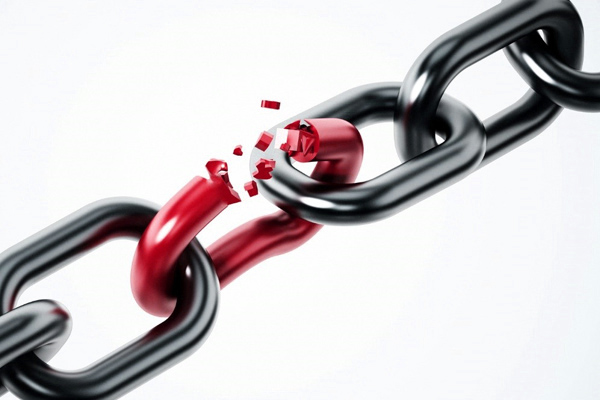
One weak link in the system puts strain on all the components. If an installed blower seems inadequate, organisations often assume what is required is an additional and/or larger blower. This often is not the case. Instead, the rest of the system may not be adequate or inappropriately designed and in addition to increasing the strain on the blower, this can also result in a shorter life span for the piping.
Worn out, eroded piping can be an unexpected expense for an organisation that is entirely avoidable if the system within which the blower is to operate is considered at the time of purchase.
A well designed, well maintained system is the answer. And now you are BFFs with the Finance Department!


 Powered by Majestic3.com