Food Manufacturers
Your Compressors May Be Poisoning Your Customers!
Why Filters Are Not Enough
by Byrone Thorne & Kim Coetzee

 |
Experienced Marketing Manager with a demonstrated history of working in the capital equipment and plan rental industry. Skilled in Negotiation, Marketing Management, Market Research and Account Management. Strong marketing professional with a MSC focused in Management and Technology and Innovation from The Da Vinci Institute.
 |
Experienced Sales Manager with a demonstrated history of working in the business supplies and equipment industry. Skilled in Negotiation, Operations Management, Sales Operations, Sales Management, and International Sales. Strong sales professional with a M.Sc (MOTI) focused in Management of Technology & Innovation from The Da Vinci Institute
Whichever way you look at it, oil filters in oil-injected compressor installations cannot be made 100% safe and a total guarantee that no oil droplets or vapour will find their way through is simply not possible.
That’s because even slight changes in air temperature can create variations in the quality of the air itself as a result of the increase in oil carry-over and the shortened lifetime of active carbon filters.
“But it’s only a very small amount”, you might say. Well, arguably the only amount of oil (not fit for human consumption) that is acceptable in the manufacturing of food should be no amount at all! Any amount would be too much. It’s not supposed to be eaten or inhaled at all.

Yes, oil filters do work, most of the time. But it only has to stop working once to potentially cause expensive spoilage of your products and irreparable damage to your brand’s reputation.
Ever heard of Toxic Oil Syndrome? It was an industrial oil food-contamination epidemic that occurred in 1981 in Spain that claimed hundreds of lives and affected thousands more.
This would be an example of the worst-case scenario of industrial oil food-contamination and although the possibility of it happening again is unlikely, why take the risk if oil can be left out of the process altogether?

A by-product of using an oil-injected compressor is that it can create oil vapour. This vapour obviously poses a threat to the integrity of any food products that you might be manufacturing, but it could also affect your wellbeing and that of your staff if it is being inhaled.
We can’t be sure yet just how dangerous inhaling industrial oil vapour might be, but should you risk it? Probably not. Experts are only now beginning to grasp which industrial chemicals have long-term effects on the human body.
If plastics and parabens found in some baby products can potentially cause hormonal imbalances and be believed to be carcinogenic, industrial oil probably wouldn’t turn out to be much better.
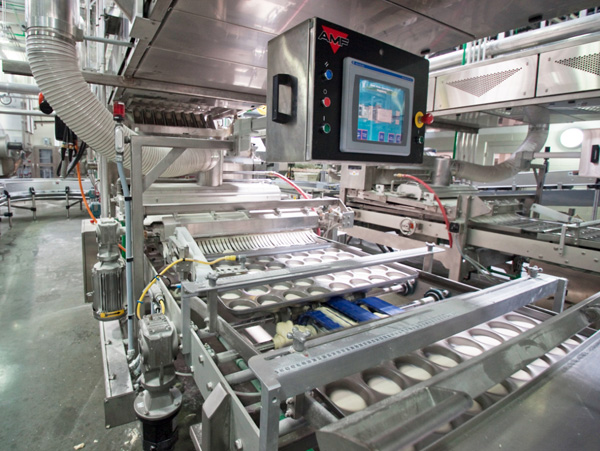
Oil-injected compressors don’t only cause oil-contaminated vapour, they can also create oil-contaminated condensate, which needs to be eliminated ethically.
It’s not just something that can be pumped into the sewers because it’s toxicity potential is still largely unknown. It needs to be discarded in a way that would be similar to any potentially toxic waste and this can be an expensive and time-consuming undertaking. Waste disposal is not cheap.
An oil-free compressor is sounding increasingly more attractive an option, isn’t it?
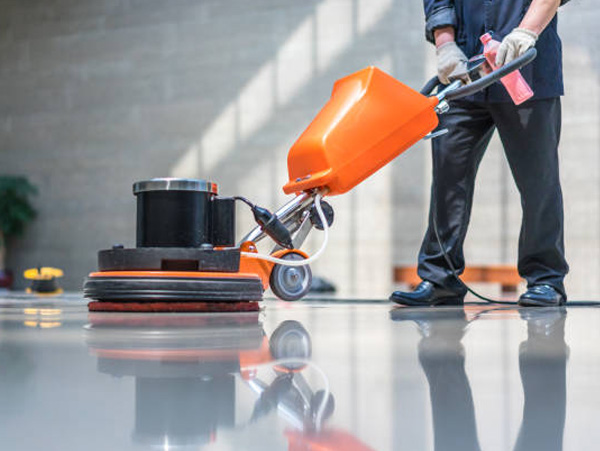
An oil-injected compressor being used in an environment with food would require filters to ensure that the oil doesn’t come into contact with the food and contaminate it. But despite the fact that these filters may provide some peace of mind, the truth is that filters get clogged and when they do they need to be cleaned or replaced.
The oil itself will have to be replenished too, all of which eventually amounts to an unnecessary expense and hassle that an oil-free compressor would completely side-step.

Industries like food manufacturers and pharmaceuticals are expected to provide products that are pristine and unspoiled. Any risk of contamination should be avoided at all costs, making oil-free compressors the only option if given the choice.
The best certification one could hope for would be Class O, which means the best possible air quality consisting of zero oil-contamination, as per ISO 8573-1 (2010) certification.
Think about it,’100% pure’ is always better than ‘mostly clean’ as a way to appease your understandably concerned customers.
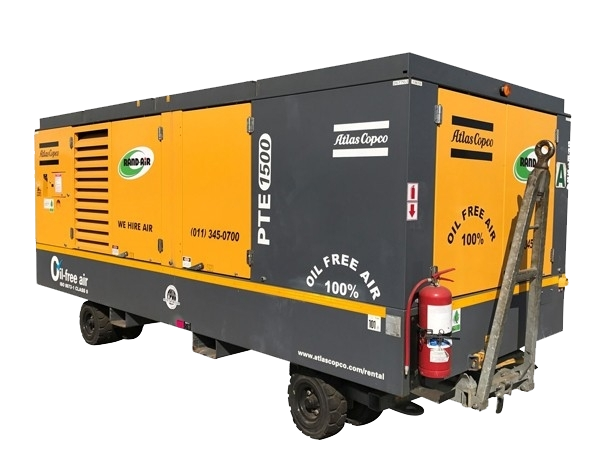
It’s simple really, replace all your outdated and potentially dangerous oil-injected compressors with oil-free alternatives that pose zero risks of oil contamination and will end up costing you far less in the waste disposal and filter replacement department.
But there’s no need to go out and buy a new fleet of compressors at great cost. Rent.
Long-term rental makes the maintenance and servicing of these compressors somebody else’s problem. And when you’re renting, you can be sure that compressors will be serviced by experts and not merely the most affordable compressor technician.
There’s also the peace of mind that as technology continues to rapidly advance you haven’t bought and paid for a whole lot of compressors that will become outdated and potentially inefficient in the not so distant future. To rent is best. You’ll thank me later.
 Powered by Majestic3.com