Medical & Biotech
A "Rapid Prototype" is False Advertising
by Grant Phillips


 |
Hi, my name is Grant Phillips. I am the owner of GLP Services, a full-service machine shop that specializes in short turn around and amazing customer service. I was attracted to machining at a young age because I love working with my hands. After spending time working for other companies, I decided that it was time to strike out on my own. I saw many issues within the industry that could be alleviated with better quality, dedication, and customer service.
As new discoveries in medicine and biotechnology continue to evolve and improve, so too will the need to quickly bring about physical prototypes. Machinists like myself are called upon to construct various parts, primarily through CNC machining technology. With rapid ideation comes a new promise called a rapid prototype. In most cases, prototype manufacturers advertise rapid turn-around as one to three weeks. Let us all be clear – one to three weeks is not rapid. Inevitably, lead times like these, specifically within the medical market, leads to weeks of frustration and countless unnecessary setbacks.

Most would agree, multiple attempts at perfection cannot be avoided, so the quicker a biotech or medical device company can work through the process of testing and validation, the quicker the company can identify what will work best. The next key step is to have a machinist rapidly produce a physical prototype.
The process of ideation to finished product often means several reverts and amendments, that is why a focus on low-fidelity prototyping allows for wrong turns; it is safer than fast tracking to high fidelity only to realize its flaws could have been avoided. The aim is to discover flaws through rapid prototyping, which is a very cost-effective option.
Due to the sheer volume and quick development of parts by a company you work with regularly, it is safe to assume that the individual care required may start to wane with time. The professional creating your product needs to understand and love it as much as you do; they need to identify the product and appreciate where you are headed in the journey. When you are creating a part for a product that could impact the future of medicine and treatment, it is imperative to treat the task with the greatest importance and care.
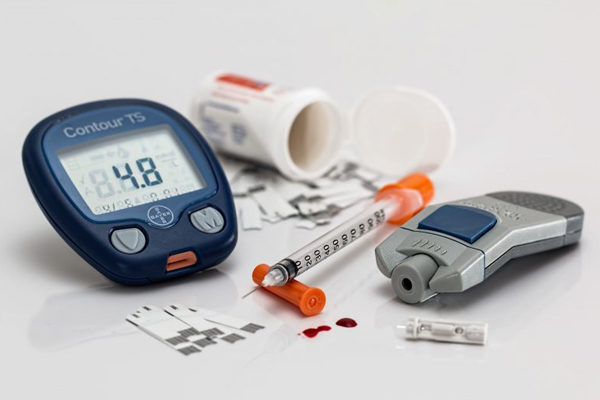
With the advancement in technology there is very little justification for putting off the response of an email received two hours prior. In the world of medicine, a missed deadline can mean a delayed drug trial start date and that will only be the first of many compounding problems.
Recently I received a quote request from a medical company requiring a small plastic part needed for preliminary testing for their clinical trials. A full turn-around of two weeks in this case was essential. Without this part the company would have faced a knock-on effect that delayed every forthcoming step in their trial. A delay in the production of this small part would have meant a substantial setback in the planned drug trials.
In this scenario, I quickly emailed a quote back within hours of their initial request and the company received the finished product within seven days of the finalized purchase order.
Fast response times by the project manager make these processes happen much more fluently. Process delays due to slow responses are not acceptable in the medical field, especially when one considers the critical nature of these drug tests and trials.
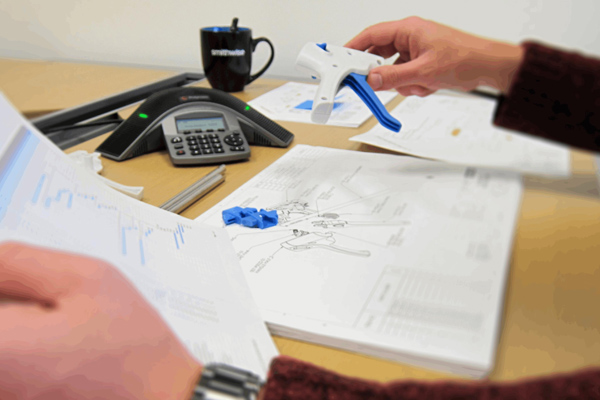
Recently, I took on a job to complete a prototype for a company called “SeaRay Medical Group” (name changed for anonymity). They required that I modify some existing parts, and then halfway to completion, the company decided to change the type of modification. I was already 50 parts into a 500-unit job and needed to change it instep to their new specifications.
At this level, revisions are inevitable. Changes should happen in-step, but many companies are unable to adapt due to poor communication. The reality is that if a change does not happen in-step the prototype needs to be completed, then re-made each time. This takes substantially more time coupled with increased costs. Considering the delays outside of the prototyping process, it is up to us as machinists to react swiftly and deliver on the revert as quickly as possible.
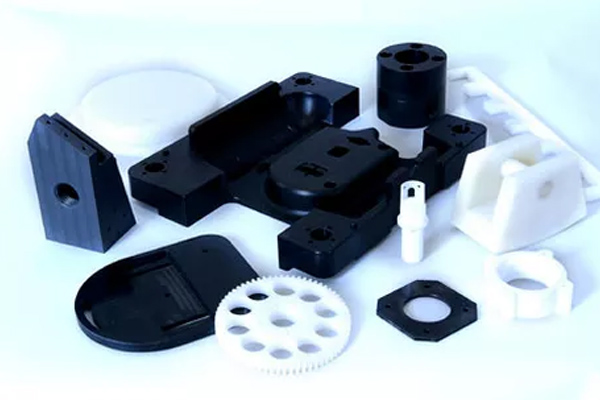
It has been my experience that companies wait until the last day to deliver their product. I cannot tell you how many times it was ready earlier, and no one even considered shipping the product a few days early. Why wait for Monday when the product is ready on Friday?
Since finished products do not always require the full two- or three-week order period, the company machining your prototype may delay shipping because they don’t want you to know that they got it done early. Why? Because they do not want the client to think that they had over quoted the job and are now finishing it in considerably less time than initially quoted.
Medical companies often have clinical trial deadlines, and their deadlines need to be respected. Why not contact the client and tell them you are running ahead of schedule and ask if they would like to receive the prototype or any machined product earlier than planned?
Communication is already much more effective with today’s technology. In many cases I don’t need to meet the client face-to-face. They confirm their purchase order, email me the blueprints/CAD files and when it is ready, I ship the product. Just because my turn around time is quicker, it does not mean it is a product of lower quality. I take quality and efficiency very seriously and believe they are integral components in creating a sustainable business.
If this sounds like the kind of partnership you are after, get in touch and we can set up a call. I look forward to it.
 Powered by Majestic3.com