
The tendering process is a nightmare – we all know this. Quotes need to be revised multiple times; competitors use different formats and quotes vary wildly in focus and points of reference – some suppliers focus on cost only while others look primarily at quality. This leads to anger and frustration and a terrible waste of time.
Is this really the optimal way to approach a remote camp project where millions of dollars are at stake? Is this really accepted as the way to do business?
We have 120 years of combined modular building experience including BIM professionals and qualified in-house engineers. All of this experience means that we really do understand that the tender process is designed to protect your industry. However, the experience also means that we believe that there are other ways of securing your risk. Without open communication between clients and suppliers at the start of the process, miscommunication, misunderstandings and missed information is almost inevitable. Years in the industry has highlighted the importance of communication between us and our clients and our successes have emphasised the positive results thereof.
Your industry is one filled with compliance requirements. Any solution to a challenge you face has to be more than just a product. All of the legal requirements must be met too; from health and safety all the way to the more recent social distancing requirements. Any lapses in meeting these requirements can be both expensive and dangerous, not to mention a legal quagmire.
The best way to address and meet all of these needs is, once again, good communication with your suppliers.
We feel very strongly that the current tender process does not achieve its primary objectives: the ideal solution at the right price. Instead it muddies the waters, creates confusion and is the direct cause of wasted time and money. Together we can create a different way of working that benefits everyone.
Engage, engage, engage
This does not mean we will get married – but let’s talk. Why decide what you want without talking to those who will give it to you? The experts with all of the information that can help you make a fast and financially appropriate decision are not being engaged with during the compilation of tender and RFQ documents.The internal and external resources used to create tender documents, including engineers, architects and other consultants seldom, if ever, have the specific, in depth knowledge required when dealing with camp infrastructure and all of the related requirements. Engaging early, engaging consistently and engaging openly with your supplier saves time and money in the long run.
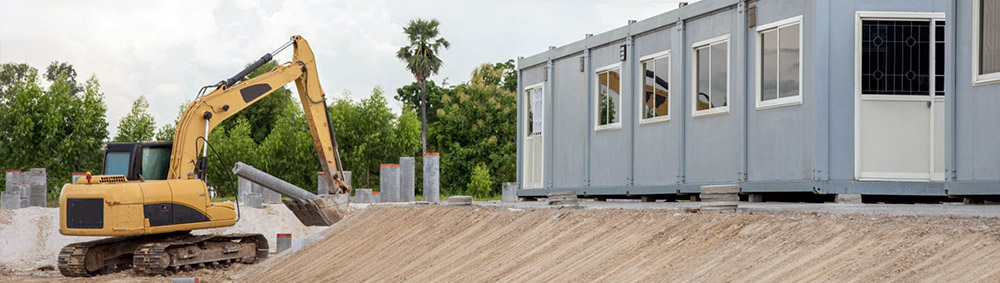
Risk and compliance
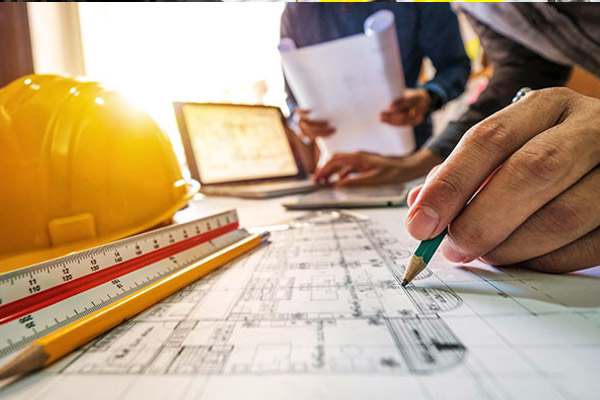
It is essential that all health and safety as well as risk and compliance requirements and specifications are met both during the construction process and by the finished product. When these requirements are not explicitly and fully understood by the people involved in the tender process, some may not be included and therefore not quoted on.
Specifications are often provided with limited information resulting in incomplete and/or inaccurate quotations.
The most measurable result of this is that quotes go back and forth, adding and removing items and refining specification. This is a monumental waste of time, putting pressure on the rest of the processes.
Time saving

We know that with all projects you can have only two of the following: cheap, fast or good. When time is wasted working out exactly what you need and what is offered by various quotes, the final deadline forces you to accept fast in order to get the project completed on time. As a result, projects become expensive in order to meet the quality (good) requirements or alternatively quality suffers to keep within budget (cheap).
Engaging before the start and during the process results in less wasted time – if all parties understand what is required, the buying or tender process will be faster and slicker. If not, this process eats into the project schedule. Because the end date is usually set in stone, this means the construction period is shorter or deadlines are missed, projects are delayed, and costs escalate.
The ultimate result is that Total Project Costs often exceed the Budgeted or Quoted Costs.
If the supplier is part of the creation of the solution design the chances of the creation of a high quality tender including all requirements are guaranteed. With this comes less wasted time and mismatching quotes. Having comparable quotes through well-structured tender documents makes it possible to compare apples with apples. This in turn allows for suppliers to be fairly adjudicated and for the best decision to be made.
Conversation is King
The most important conversation is about what the specific solution is. Not the products needed, but the entire solution. When the solution is a fit-for-purpose infrastructure the options can and do differ wildly. This means making a decision based solely on the cost unsuitable and often the worst possible direction to take. What seems cheapest seldom is, once all of the missing aspects are identified and the unmet requirements fulfilled. Often the suppliers of the solution, the entities who do this all day every day, are the best people to ask about what is actually needed. This is preferable to attempting to tell them what you think you need only to come up short.

Why do we use the tender process?

So we have to ask – why do we use the tender process? And possibly even more importantly, what is the solution?
If the tender process is supposed to protect the customer from the suppliers then it is demonstrating a monumental lack of trust between organisations which will be engaged in business for months if not years.
This lack of trust often revolves around the fear of being charged too much.
Clearly the flawed tender process pretty much guarantees that you will be charged more than what was initially quoted due to the weaknesses already discussed. Does it not make more sense to engage with the suppliers earlier on in the process to ensure fully articulated quotes which include the actual cost rather than beginning the processes by assessing a much smaller, incomplete quote?
Openness between what you as a client needs and what the supplier both suggests and can supply, can only lead to better structured quotes, less time wasted, fewer hidden costs and more time spent on the really important bit – developing the solution you require.



 Powered by Majestic3.com