
Doing research in Africa is fraught with pitfalls and by the time you uncover what they’ve done, you've lost a fortune.
By 2050, Nigeria will overtake the USA as the world’s third most populous nation and a quarter of the world’s population will reside in Africa. The continent is already home to the fastest-growing and youngest consumer market on the globe.
What does this mean for you? Well, firstly, brands who aren’t already immersing themselves in Africa are destined to be left behind. Secondly, those that have poor research supporting their decisions will fare even worse. Finally, making costly mistakes while conducting research in a continent as challenging and complex as Africa is liable to do serious damage to your career.
Which means you have to be selective about who you partner with in Africa. Local agencies may talk a good game and demonstrate passion but many simply don’t have the skillset to deliver the accurate and reliable research that you require to base key business decisions on.
Life is Tough for Local Research Agencies in Africa
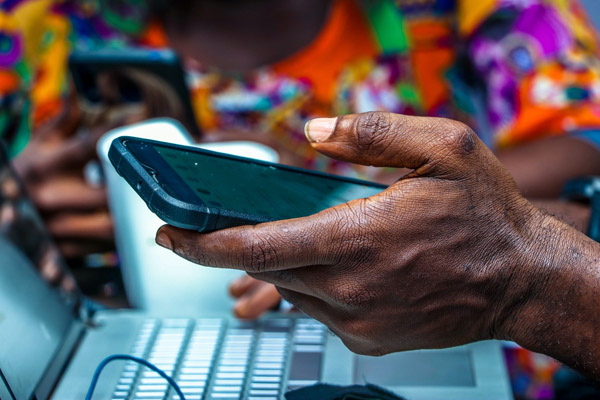
They compete fiercely for a small pool of highly demanding local clients, which invariably ends up being a race to the bottom in terms of price.
The buying power of local clients forces local agencies to accept the best of a bad deal, often leaving them barely able to cover their costs, which then forces them to cut corners behind the scenes in order to make any sort of margin.
Local agencies aren’t really able to offer an independent voice either, let alone a dissenting one. They don’t have an equal relationship with their clients – the dynamic is closer to master and slave.
Hence many local agencies are prone to reporting what they think the client wants to hear instead of presenting objective facts.
It’s all an unseemly bunfight, primed for inaccuracy from the get-go, with everyone scrambling for a piece of such a small pie. Now, just imagine how well your international project is going to fare in this environment.
Multimarket research must be accurate, robust and consistent in order to be comparable. However, it’s naïve to assume that global methodologies can simply be cut and pasted onto such a diverse, culturally expansive and multifaceted part of the world. It is NOT a one size fits all solution for a number of reasons. You need the best local help that you can get.
Many Local Agencies Will Let You Down Across the Board

It may be that their recruitment is flawed – meaning you’re hearing the opinions of the wrong people.
Or they’ve recruited a ‘professional’ sample, those people who (too) regularly supplement their incomes by taking part in consumer research.
Sometimes the problem is that they’ve nodded their heads and assured you that they know how to execute a particularly complex methodology. Local agencies are so desperate for income that they’ll say anything to land your business.
Frustratingly, their weaknesses will only come to light during fieldwork or analysis – meaning you end up with having to rectify the situation when you’ve run out of time and when you’ve already expended half your project budget.
When you find yourself at this stage, know that:
- You’ll need to act fast
- You’ll need to throw money at the problem and
- That if you fail to fix their failings – your professional reputation is likely to be tarnished
The Motivations of Local Agencies are Swayed by their Desire to Survive

When you come along with your research enquiry they will:
- Charge a premium price, metaphorically bringing out the inflated foreigner’s rate card
- Say or do just about anything to get your business, including claiming knowledge and expertise that they do not possess
Do not take this personally.
They are simply doing this to keep their heads above water.
International Agencies have their Flaws Too
The big agency networks will bring their reputations and methodologies and assure you that all will be well. Unfortunately, they’ll bring high overhead costs and multiple profit centres too.
On the other end of the incompetence scale, let me tell you about a tech company posing as a video research agency based in London.

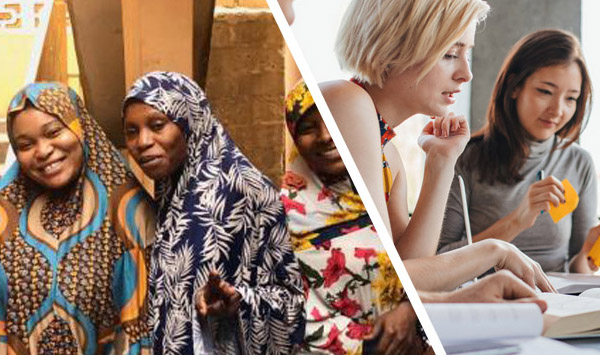
They were selling projects in Nigeria with their very own consumer panel, all recruited from Facebook. Run by their community manager, also recruited off Facebook. But the big flaw in their offering was that they’d never been to Nigeria, never met the community manager and had no understanding of how Nigeria works.
Their incentives were five times the going rate, meaning people would claim to be whoever they needed to be in order to land a significant payday.
Social Media is Not the Recruitment Solution that You Thought it Was
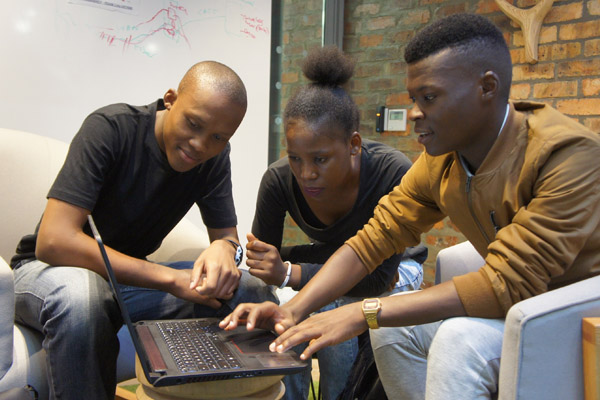
Technology is booming in Africa. Who could’ve predicted just how massive the market for mobile phones would become? The digital and online market opportunities are also growing exponentially. Organisations using social media for research in Africa might be forgiven for thinking this is a convenient and effective way to recruit African consumers. This assumption is another mistake.
We’ve tested Facebook recruitment in Nigeria and then later met the sample face to face for dinner and drinks in Lagos, with our trusted local partners. Our conclusion was that just 30% of the sample recruited from Facebook were who they had claimed to be. My favourite example? The guy who was a ‘Microfinancing Manager’ online, turned out to be an ambitious car park attendant…
While this practice isn’t unique to Africa, it does mean that – whether for F2F research or remote/mobile research, the only way to be really sure of your sample, ironically, is to use good old-fashioned professional face-to-face recruitment practises conducted by vetted locals hired by a streetwise global agency with decades of experience in Africa.
The Smart Choice is to Have the Best African Research Partner
Without proper research design, expertly adapted for the complexities that characterise Africa’s markets and executed according to global standards – you’re setting yourself up for failure.
This is where I can help you.






 Powered by Majestic3.com