The Digital CFO:
“I Want Automation… and I Want it NOW!”
by Bridgette Ward and Phil Hemsley

 |
| Bridgette Ward |
Bridgette’s extensive background as a Sales Manager, makes her uniquely qualified to help customers identify their pain points and assist in providing the best solution.
Her comprehensive knowledge and passion for modern technology enablers aside, Bridgette understands how businesses operate and believes in providing true value beyond technology!
 |
| Phil Hemsley |
Phil sets high standards for himself and the team he leads, demanding professionalism and integrity, while continually pushing to ensure customers’ expectations are exceeded. He prides himself in leading an innovative team of professionals who work tirelessly to provide effective solutions to a diverse range of business challenges.
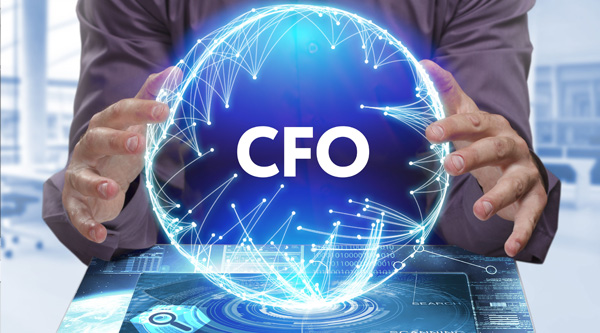

Don’t worry, a Digital[GW1] CFO is not a robot, at least not entirely. It’s worth mentioning up front that this is not someone whose job has been replaced, but rather someone who is a pioneer in finding better ways to make their job easier. Their immediate task lies in enforcing an all-new culture and mindset in which they can properly take advantage of opportunities only digital can offer.
Simply put, traditional CFOs and digital CFOs look exactly the same, only the latter are willing to accept change and stay current. The digital CFO has embraced robotics and automation to assist the traditional role of the CFO within risk compliance and performance. They deploy a range of technologies to flip historical function on its head, which turns the finance department’s efficiency dial all the way up.
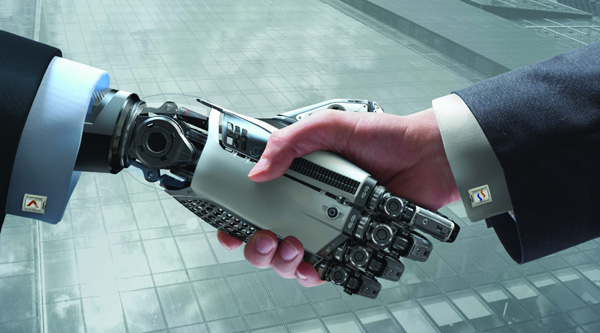
The digital migration is a problem within the industry as traditional CFOs aren’t willing to move forward from their current, safe environment. In a landscape where technology is reshaping virtually every business model today, digital integration is not only necessary, it is inevitable. So, why is change so scary if its core function is meant to improve?
Just look at how technology has shaped the CFOs efficiency to date. In the 1980s the fax machine allowed important information to travel so you didn’t have to, especially when delivery wasn’t an option for time-sensitive matters. Then in the mid-nineties Blackberry revolutionized business by making relevant information available on the go with their patent push technology. This was critical for overall effectiveness. There wasn’t a CFO without one.
It should go to show then, that automation will eventually win over traditional exercises to get the information you want and need. Even Blackberry had to stay agile and move their technology forward, when they announced late last year they had developed a software operating system for self-driving cars by partnering with auto supplier Delphi Automotive Plc.
By now it should be clear that integrating digital strategies and technologies are vital for your business, but what exactly are the tools you’ll want to implement and what are their benefits?
Business intelligence (BI) tools accelerate decision-making, increase operational efficiency by streamlining internal processes, identify market trends, drive new revenues and of course, put you way ahead of your competitors. But most importantly, BI tools help spot potential -risks and give you enough time to fix them.
.jpg)
Not so long ago all your daily paperwork ended up in a massive filing cabinet, these not only took up a large amount of space, but meant the documentation existed in one place, causing delays when action was required. Cut to modern times and you can access those files at any location[GW2] via the cloud.
Historically, if you had an important document that needed multiple signatures in a timely manner, you would have to run upstairs and across town to get it signed. Now it’s a case of an email that prompts you to take action with e Signature solution software called DocuSign.
Digital Transaction Management (DTM) has emerged as a new category of cloud services designed to digitally manage document-based transactions. DTM removes the friction inherent in transactions that involve people, documents, and data to create faster, easier, more convenient, and secure processes.
Organizations that embrace the digital future can speed execution, lower operating costs, reduce errors, and provide superior customer experience. By staying digital these companies avoid the traditional pitfalls of lost or missing data and documents, breakages in processes, and lack of visibility into workflow.
This is real automation efficiency.

The benefits of efficiency with the use of BI tools extends even further. Closing end of year financials is a slow and careful process, but modern tech can help speed things up, while eliminating risk that numbers aren’t substantiated. With software like Blackline, CFOs not only ensure numbers are correct and reported in a timely fashion, but are also able to track the progress of all tasks associated with the respective financial close across the entire company. People don’t want to close quicker, they want to have more time to catch potential risks and mistakes and rectify them. This is why implementing technology of this nature reduces the risk on the company if the numbers don’t add up.
Automation means that you know an action is being carried out digitally as opposed to a human performing that function, therefore your compliance is in check, which alleviates risk. That could be through a document being signed through DocuSign, through a predefined workflow process for a specific task or visibility on your financial close through Blackline.

There are regulatory requirements that you need to meet as a CFO. In essence you have responsibilities towards the shareholders, and you are acting in accordance with what they have effectively given you authority to do. When you say your numbers are complete and accurate, you’re saying you’ve complied with all other regulatory acts out there. Trust continues to be called into question.
Automation can help you comply with the company’s act, but that’s not a big issue, rather your inherent risks, the things you can’t prepare for, the stuff that isn’t in your face the whole time. It’s the employee having a bad day who closes off a number and rushes home. As the CFO, you trust that a lot of work has been done to ensure that number is correct. It’s your inherent risk that you’re placing reliance on, so it is a massive benefit that your internal control systems will pick up all the necessary risks associated. With a CFOs role, it isn’t one risk that will keep you up at night, so having technologies in place to assist you is vital.
A CFO can now access real-time data through a dashboard that talks to status and progress. Blackline assists compliance and risk to a large degree, but you also have the visibility around what happened, when it happened and how it happened, which gives you control and alleviates further risk. This is why push data functionality is so great.
Think of it this way: if someone doesn’t have a doorbell at their home, you would have to manually go around the house and peep through windows to see if anyone is there. With automation, the doorbell is the trigger that something has changed. It’s pushing the right information to the right people at the right time, so people can make decisions around something that is wrong or is about to go wrong.
It’s having information sitting there telling you which boxes were ticked. It’s a checklist, but something is checking that checklist, saying don’t worry about it, I have this under control for you. And here’s a confirmation that it’s done.
The digital approach doesn’t have a human emotional intervention to confuse a story, it merely spits out an answer stating if it’s wrong or right. It brings back the integrity that the open public has on whether that information is correct, because it’s digitally checked.
By utilizing a range of digital tools and their obvious benefits, CFOs can completely rewire the traditional finance function, which frees them up to add real value to the company, while staying on top of performance, efficiency and risk. The Digital CFO will always be looking for the right way to automate, but first they need to deal with an expert who can advise them on a game plan.